
How Many Tons Does a 20 Yard Dumpster Hold?
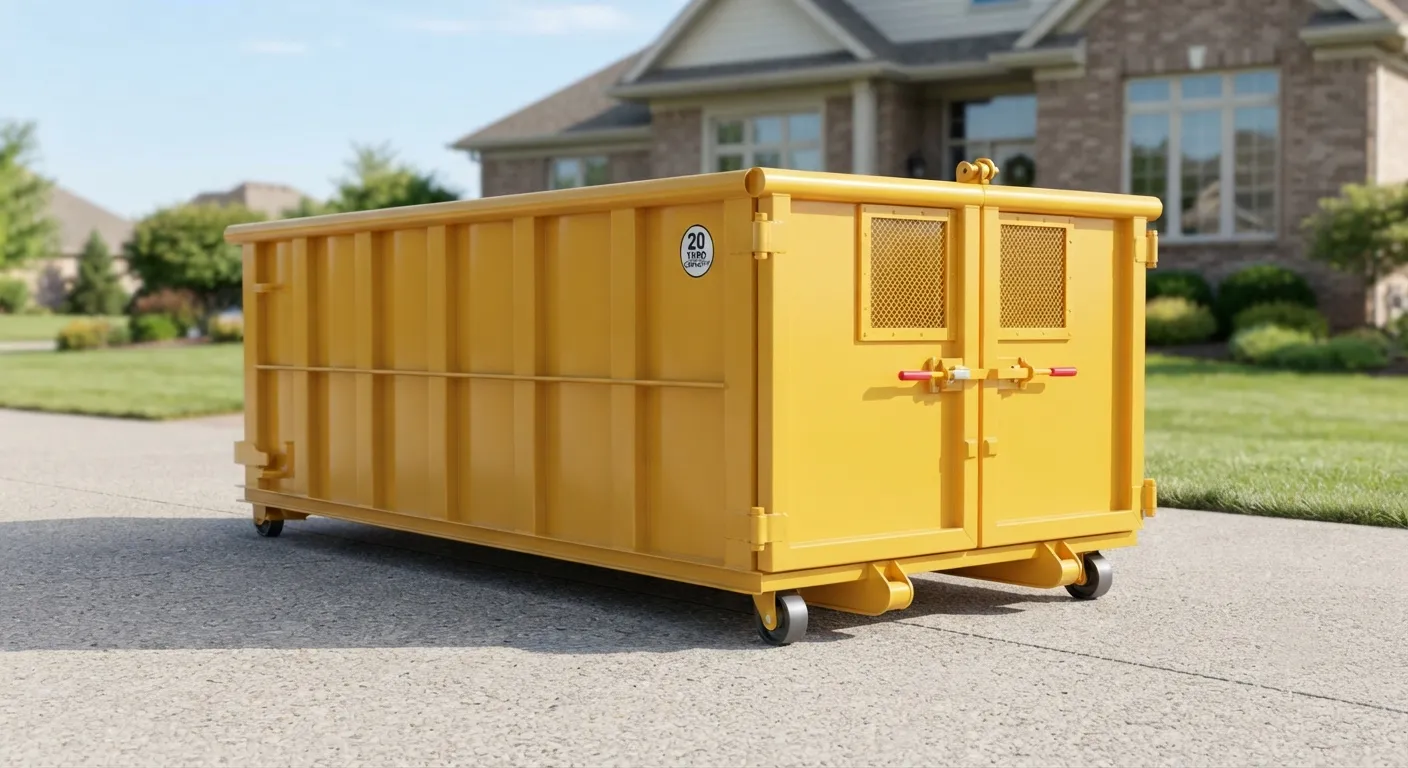
A 20 yard box is built for kitchen remodels, roofing tear-offs, and mid-size cleanouts, and it generally handles about 3 tons of debris before overage charges kick in. Empty, the container itself weighs a few thousand pounds, which matters if your hauler quotes a combined truck-and-box weight at the scale. Heavier material, like wet drywall or shingles, fills the weight limit long before it fills the box visually. That is why a 10 yard dumpster rental sometimes makes more sense for dense debris even though it looks small. Check dumpster weight limits against your material type before ordering, and compare against a 20 yard dumpster rental if you are not sure your job fits. Renters in Alameda pulling permits for driveway work should also confirm placement rules through dumpster permit requirements, since street placement is a separate question from tonnage. If your load is close to the line, ask about dumpster rental cost overage rates up front rather than after the pickup, because scale fees surprise more customers than any other line item on the invoice.
How Many Tons Does a 30 Yard Dumpster Hold?
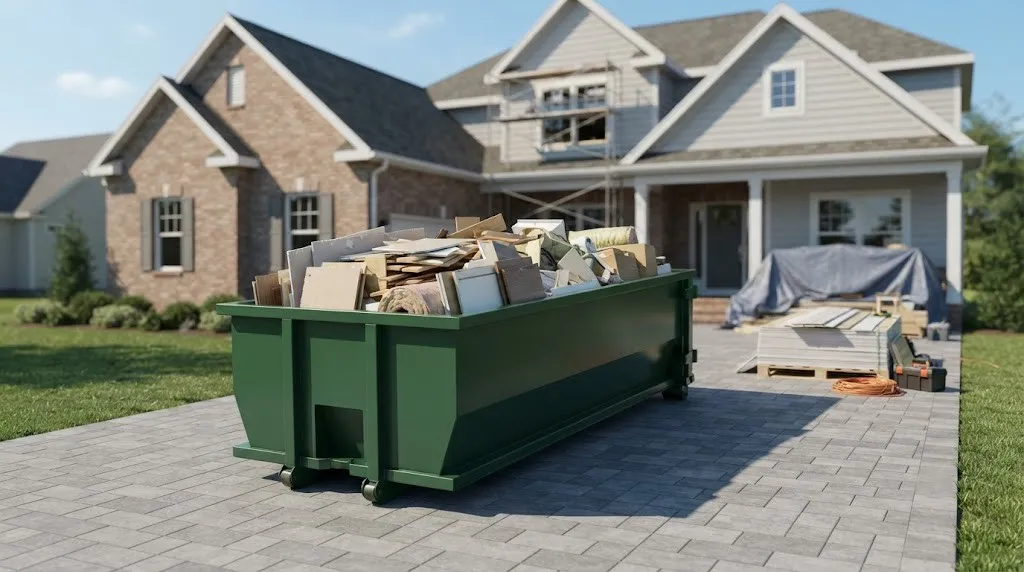
A 30 yard dumpster holds roughly 4 tons of general debris, making it the workhorse for larger home projects and small commercial jobs across Alameda. That is the size most contractors reach for when clearing out a full house or running a multi-week remodel. The daily rate for a standard 30 yard sits well above a smaller box, so weigh your material mix before choosing between a 30 yard dumpster rental and a 40 yard dumpster rental. Concrete, tile, and dirt add weight fast, so a box that looks half full can already be at its ton limit. Review dumpster sizes and dimensions before booking so the footprint fits your driveway, and check what cannot go in a dumpster since certain heavy materials are restricted regardless of tonnage. A roll-off delivery needs about 60 feet of straight clearance behind the truck, which matters on narrow Alameda side streets near Piedmont, 10.6 miles north. Construction crews juggling multiple boxes should look at construction dumpster rental for job-site scheduling.
How Many Tons Does a 40 Yard Dumpster Hold?
A 40 yard dumpster is the largest standard roll-off size, and it typically carries a higher tonnage allowance than the 30 yard box, though exact limits vary by hauler and material. It suits large demolition jobs, commercial cleanouts, and whole-property clearing. Because the box is long, the same 60 feet of straight truck clearance applies, so measure your driveway or street frontage before scheduling delivery. Monthly rates for the standard size range from 125 to 325 dollars depending on term length, and a monthly porta potty rental is worth pairing with a long dumpster rental if your job also needs sanitation on site. For general contractors managing several trades, construction site services bundles dumpsters with fencing and restrooms so you are not juggling four vendors. If your project is agricultural or involves a hand-labor crew, note that OSHA 1928.110 requires field sanitation facilities at one per 20 employees within a quarter mile walk, a separate requirement from dumpster tonnage but often relevant on the same job site. Review dumpster permit requirements before the truck arrives.
What Happens If I Go Over the Weight Limit?
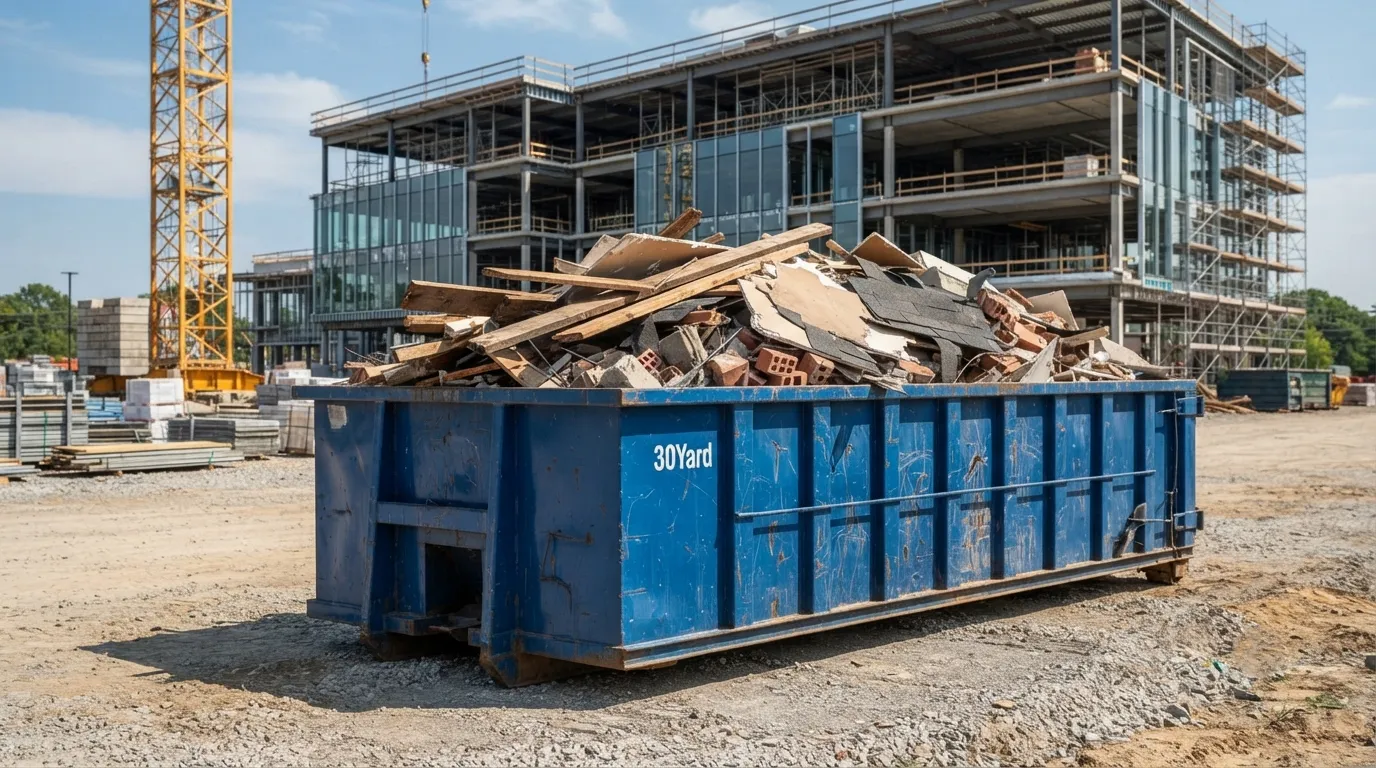
Overage fees apply per ton past your container's limit, and they get added to the final invoice after the scale ticket comes back. This is the most common billing surprise in roll-off rental, and it is avoidable with a quick material estimate before the swap. Heavy debris like concrete, roofing shingles, or wet soil pushes a box over its limit fast, even when there is visible space left inside. Ask your provider for the ton allowance in writing before delivery, and compare it against dumpster rental cost estimates so the number on paper matches what lands on your invoice. If you are unsure which box fits your job, roll-off dumpster rental staff can usually estimate tonnage from a quick description of the material. Some Alameda renters split heavy loads across two smaller boxes rather than one large one specifically to manage per-ton overage costs, which is worth discussing before you commit to a size. Weight limits are separate from what cannot go in a dumpster at all, so check both lists.
Frequently asked questions
How many tons does a 30 yard dumpster hold?
A 30 yard dumpster typically holds around 4 tons of mixed debris before overage fees apply. Heavier material like concrete or tile hits that ceiling faster than lighter household junk. Confirm the exact allowance with your provider before loading, since it varies by hauler and by what you are throwing away.
How much does a 20 yard dumpster weigh empty?
An empty 20 yard roll-off weighs a few thousand pounds on its own, which factors into scale-based billing. Haulers typically weigh the truck and box together, then subtract the empty weight to get your debris tonnage. Ask your provider for the tare weight if your invoice is scale-based rather than flat-rate.
Do dumpster weight limits apply outside Alameda too?
Yes. Weight limits are set by the container size and hauler policy, not by city. The same tonnage rules that apply in Alameda apply for a roll-off dumpster rental in Dayton, Ohio or a roll-off dumpster rental in San Antonio, though local disposal fees vary by region.
Can I estimate my debris weight before ordering?
Rough estimate: wood and drywall run lighter per cubic yard than concrete, dirt, or roofing material. A full pickup truck bed of mixed debris is roughly half a ton. Walk your pile before choosing a size, and when in doubt, size up rather than risk overage charges on a box that is technically full but under-tonned.
What size dumpster do I need for a home renovation?
Most single-room renovations fit a 10 or 20 yard box, while whole-house gut jobs need 30 yard or larger. Material weight matters as much as volume. See home renovation porta potty if your remodel also needs restroom coverage for the crew during a multi-week job.
Next step
Get a delivery date
Tell us the address, the dates and the headcount. We size the order and confirm the route.