
What Do Field Sanitation Rules Require?
OSHA 1928.110 covers hand-labor operations in agriculture, and it is specific: potable water, toilet facilities and handwashing within a quarter mile of where people are working. That distance matters on a spread-out property, because a unit parked at the barn does nobody any good if the crew is three fields away. Alameda Porta Pros plans placement around actual work zones, not just the driveway closest to the road. A standard porta potty rental covers most field crews, with a 60 to 70 gallon holding tank on board and a footprint of about 44 by 48 inches on the ground, so it sits fine on packed dirt or gravel without extra prep. Handwashing is a separate requirement from the toilet itself. 29 CFR 1910.141(d)(2) requires soap and towels or a hand-drying device, and hand sanitizer alone does not satisfy it, which is why most farm operations pair a handwashing station rental or portable sink rental with each toilet cluster. If your crew is spraying herbicides, insecticides or coatings, OSHA 1926.51(f)(1) requires washing facilities for that specific work, separate from the general field sanitation rule. Check the full breakdown on handwashing station requirements before the season starts, and see OSHA portable toilet requirements for how the ratios apply beyond field labor.
How Many Units Does a Farm or Ranch Need?
Start with headcount, then divide by 20, per OSHA 1928.110's field sanitation ratio for hand-labor employees. A 40-person harvest crew needs at least two toilets, plus handwashing at each. Spread across multiple fields, that count often goes up, since the quarter mile walk rule applies per work zone, not per property line. Alameda properties tend to be compact compared to inland farmland, so most jobs here call for two to four standard units rotated between planting, harvest and packing areas. Our how many porta potties do I need guide walks through the math for mixed crew sizes and multi-shift operations. Seasonal work also means seasonal service intervals. ANSI/PSAI Z4.3 sets a baseline of one service visit per week for up to 10 users over a 40 hour week, but a full harvest crew working long days needs more frequent pumping and restocking than that baseline covers. We adjust the schedule around your actual labor calendar instead of forcing a fixed weekly visit. For crews handling livestock or working near water sources, a portable restroom rental with a sealed tank keeps runoff away from irrigation lines and drainage. Larger operations running packing sheds or processing lines sometimes need a deluxe flushable porta potty for office staff, separate from field units for outdoor labor.
| unit | duration | typical price |
|---|---|---|
| standard | day | $150 |
| standard | week | $200 |
| standard | month | $200 |
| deluxe | week | $250 |
Monthly rates work best for a full growing season, and pricing holds steady whether you are near Piedmont, 10.6 miles north, or working land closer to the Alameda shoreline. Full detail lives on monthly porta potty rental and porta potty rental cost.
Do Farm Restrooms Need Handwashing and Water Access?
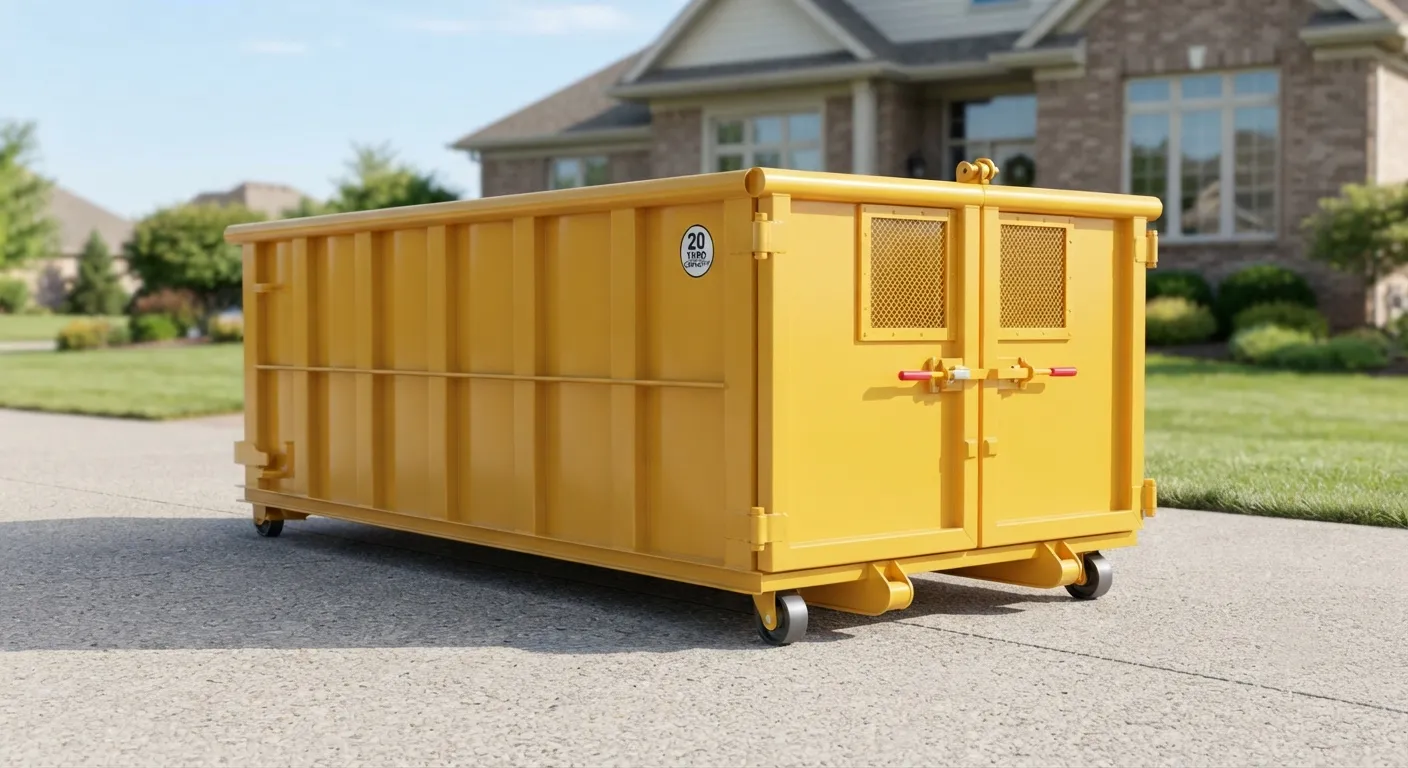
Yes. OSHA 1928.110 requires potable water alongside toilets and handwashing for hand-labor crews, and OSHA 1926.51(a)(1) sets the broader requirement for an adequate supply of potable water at any place of employment. A single hose bib is not enough documentation if you get an inspection; a dedicated handwashing station with soap and towels covers the 1910.141(d)(2) requirement cleanly. For farms without reliable well access in a given field, we deliver holding tank rental units alongside the toilets so water supply is not a separate problem to solve. Grease and wash-down water from packing sheds is a different issue: a grease interceptor gets pumped once fats, oils, grease and solids build up to 25 percent of the liquid depth, and grease trap pumping handles that for any on-site processing area. If your property also runs a residential septic system for a farmhouse or bunkhouse, that tank typically needs pumping every 3 to 5 years depending on size and household count, covered under septic pumping service and how often to pump a septic tank. Roll-off crews clearing brush or old equipment can pair sanitation with a 10 yard dumpster rental on the same delivery run, and fencing off a work zone from livestock is easy to add through temporary fence rental.
Frequently asked questions
What does a farm restroom rental cost per month?
Monthly standard unit rentals in Alameda run $125 to $325 depending on service frequency and unit count, per our pricing data. A single unit for a small crew sits near the low end. Multi-unit seasonal contracts across several fields land closer to the middle of that range.
How far apart do restrooms need to be on a large property?
OSHA 1928.110 sets the limit at a quarter mile walk from any work area. On a spread-out farm, that usually means placing units at each field entrance rather than clustering them near the road or barn.
Can I rent just a handwashing station without a toilet?
Yes, standalone handwashing stations are common for packing sheds and wash-down areas. See hand sanitizer station rental for lighter-duty options, though sanitizer alone does not meet the 1910.141(d)(2) soap-and-towel requirement.
Do seasonal farms need a different service schedule than construction sites?
Often, yes. Harvest crews working 10 to 12 hour days need more frequent pumping than the ANSI/PSAI Z4.3 weekly baseline assumes. We build the schedule around your actual crew hours, not a fixed calendar.
What is the closest service area to check for pricing comparisons?
Emeryville sits 12.4 miles north of Alameda and Albany is 16.0 miles north; both fall under the same regional pricing bands listed on porta potty rental in Alameda.
Next step
Get a delivery date
Tell us the address, the dates and the headcount. We size the order and confirm the route.