Do I need a permit to rent a dumpster?
It depends entirely on placement. A dumpster parked on your own driveway, backyard, or a private construction lot in Alameda typically doesn't trigger a permit review, because the city isn't managing public right-of-way access. The moment that container sits on a public street, even for a weekend, you're usually in permit territory. This is true whether you're in Alameda, Piedmont 10.6 miles north, or a bigger market like Chicago or Pittsburgh, where street placement rules are common. We can't quote you Alameda's exact permit fee or processing window here, because that's NOT VERIFIED, but we can tell you to ask before the truck rolls. Renting through Alameda Porta Pros means we'll flag the placement question up front, before you're stuck explaining an unpermitted box to a code officer. If you're still scoping the job, start with dumpster sizes and dimensions to figure out what footprint you're actually asking the city to approve.
Permit for dumpster on street: what actually triggers it?
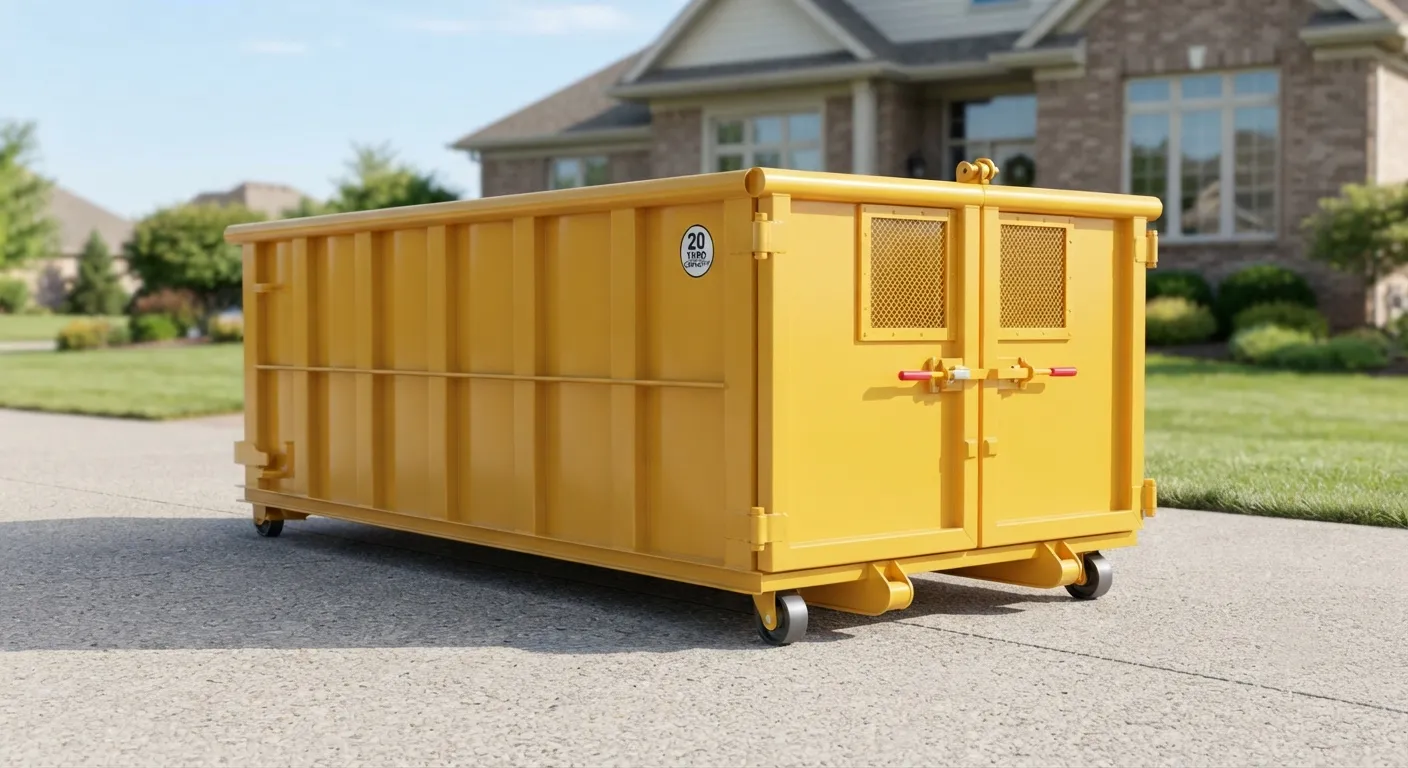
Street placement is the trigger, full stop. A dumpster occupying a public parking space, blocking part of a lane, or sitting on a sidewalk is now using public property, and most cities treat that as an encroachment issue, not a waste issue. Alameda's specific application process, required documents, and fee schedule are NOT VERIFIED here, so we're not going to invent an ordinance number or a dollar figure. What we can tell you: budget lead time. Permit applications in comparable cities often take days, not hours, to clear. If your job is time-sensitive, ask your contractor whether the dumpster can sit on-site instead, on a driveway or staging area, which sidesteps the whole question. For construction jobs already juggling temporary fencing and portable toilets, keeping the dumpster off the street simplifies your paperwork. A roll-off delivery also needs about 60 feet of straight clearance behind the truck, so even a private-lot placement has its own logistics to plan around.
What does a dumpster permit application actually ask for?
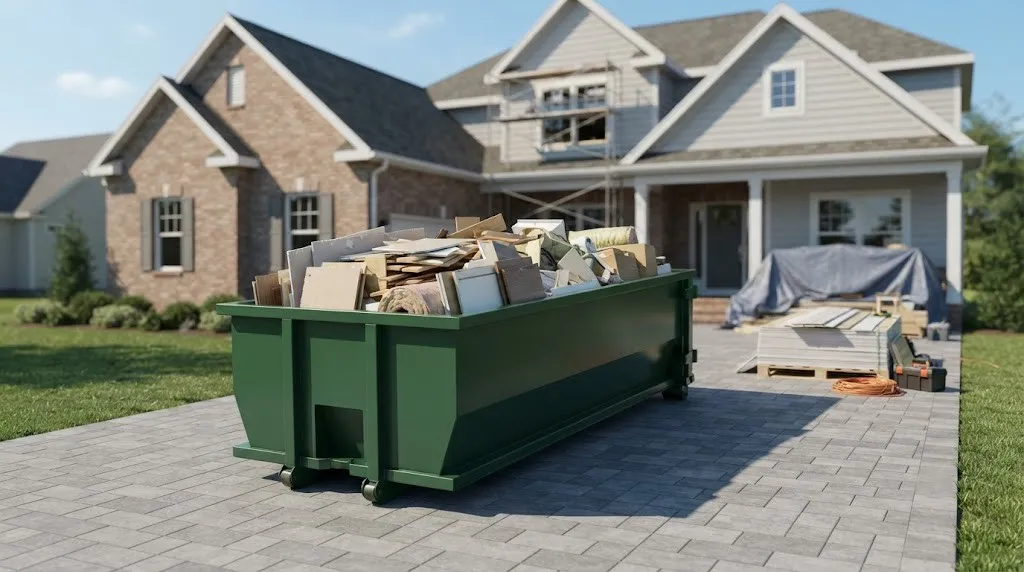
Most municipal applications, whether it's a city of Chicago dumpster permit, a city of Pittsburgh dumpster permit, or a smaller jurisdiction, ask for similar basics: the address, the dumpster size, how long it'll sit, and who's hauling it. Some cities want a site sketch showing exactly where the container lands relative to the curb and any driveway. Alameda's own application requirements are NOT VERIFIED, so we won't list specific forms or departments here. What we recommend: call the city planning or public works line before your rental date, not after the container's already on the truck. While you're planning, compare your options across 10 yard, 20 yard, 30 yard, and 40 yard dumpster rental sizes, since the size you pick affects how much curb space you're asking to use, which can affect whether a permit reviewer even needs a site sketch.
When should I apply for a dumpster permit?
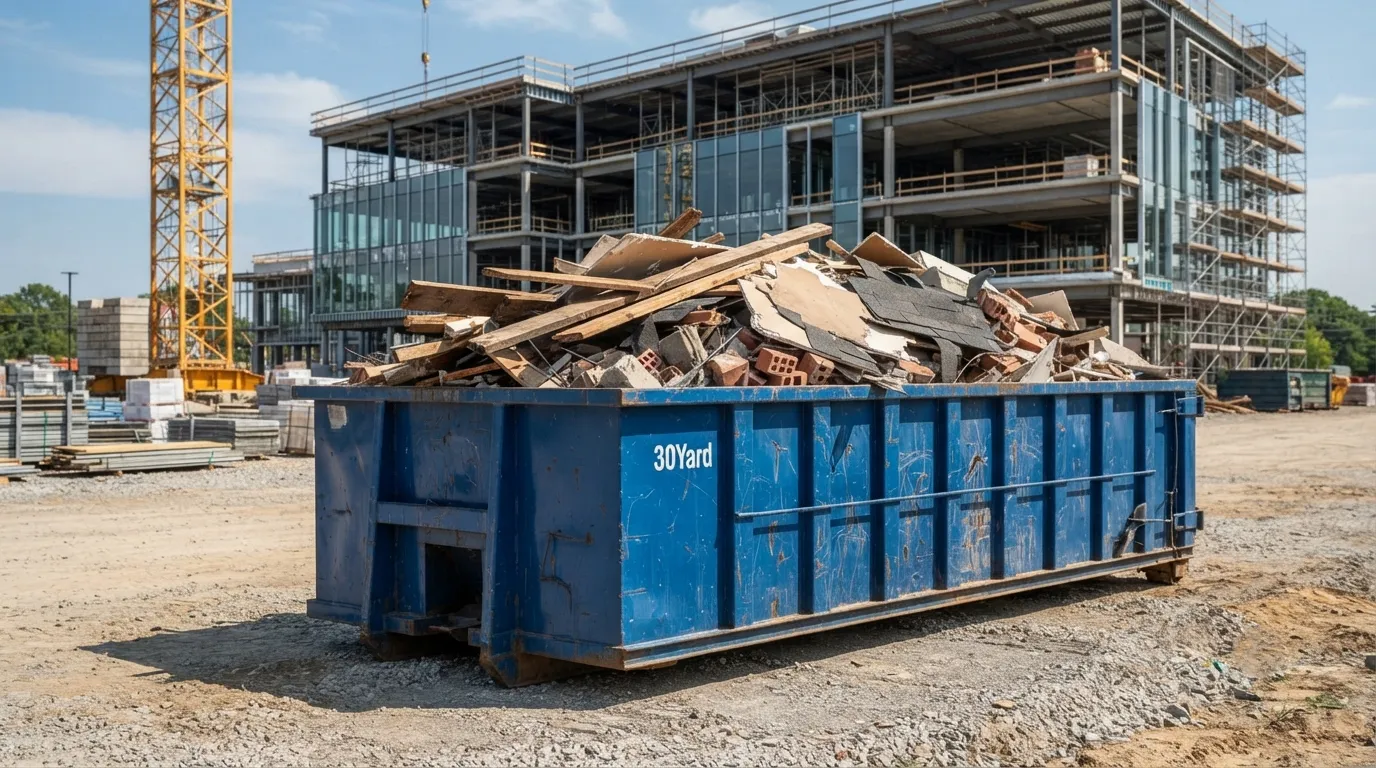
Apply as early as your schedule allows, ideally before you lock in a delivery date. Permit review isn't instant in most cities, and a delayed approval can mean a dumpster sitting on a truck with nowhere legal to go. If your project is a home renovation, pair your planning with our home renovation porta potty guide, since both rentals often share the same driveway or curb space and the same placement questions. Commercial job sites juggling multiple deliveries should also check dumpster weight limits and what cannot go in a dumpster, because overloading or wrong materials can create separate violations that have nothing to do with the permit itself. None of Alameda's specific review timelines are verified here, so treat "early" as the safe answer regardless of city.
| unit | duration | typical price |
|---|---|---|
| dumpster | day | $75 |
| dumpster | week | $600 |
| dumpster | month | $108 |
Pricing above reflects measured market data, not a quote for your specific job; get exact numbers through dumpster rental cost or request a quote directly.
Frequently asked questions
Do you need a permit for a dumpster on private property?
Usually not. Private property placement, like a driveway, backyard, or fenced job site, generally sits outside the public right-of-way permitting most cities enforce. Alameda's specific stance isn't verified here, but the general pattern across most jurisdictions holds: private land, no permit; public street, permit likely required.
Is a dumpster permit the same as a construction permit?
No. A dumpster permit covers where the container physically sits, especially on a public street. A construction or building permit covers the work itself. You can need one without the other, or both, depending on your project scope and location.
Can I get in trouble for skipping a required dumpster permit?
Yes, that's the risk you're taking. Cities that require street placement permits can issue citations or require the container removed. Since Alameda's exact enforcement approach is NOT VERIFIED here, the safer move is confirming placement rules with the city before delivery day.
Does dumpster size affect whether I need a permit?
Sometimes. Larger containers, like a 40 yard dumpster rental, take up more curb space and can draw more scrutiny than a compact 10 yard box. Street footprint matters more than volume in most permit reviews, so a shorter, wider container may need more sign-off than a tall, narrow one.
Who do I call in Alameda to confirm permit requirements?
We haven't verified a specific department contact for Alameda dumpster permits, so we won't name one here. Your best move is calling the city's public works or planning division directly, or asking us at Alameda Porta Pros when you book, since we handle placement questions on nearly every delivery.
Next step
Get a delivery date
Tell us the address, the dates and the headcount. We size the order and confirm the route.