What Happens to Sanitation During a Disaster in Alameda?
A cracked sewer main or a flooded lift station takes toilets offline for an entire block, sometimes longer. That is the gap emergency porta potty rental is built to fill. Alameda Porta Pros keeps standard units ready to move, and a standard unit holds a 60 to 70 gallon tank and stands about 92 inches tall, so it handles heavy short-term use without a mid-week pump-out. For a shelter, a staging yard or a command post, we also bring in holding tank rental units when a building's own septic or sewer connection is out of service. If the disruption follows storm flooding, a residential septic tank that would normally get pumped every 3 to 5 years can fail early when groundwater floods the drain field, and that is a separate call from a simple pump-out; see septic tank warning signs if wastewater is backing up instead of draining. Response crews and city contractors coordinating relief work in Alameda should also plan around construction site services, since debris removal and temporary power often run alongside the sanitation piece.
How Many Toilets Does a Disaster Shelter or Staging Site Need?
Start with OSHA 1926.51(c), which sets 1 toilet for 20 workers or fewer, climbing to 1 toilet and 1 urinal per 40 workers once you pass that threshold. That ratio was written for job sites, but it is the closest hard number available and it is the one we use to size a relief deployment when a formal shelter count is not yet known. Use our how many porta potties do I need guide to work through the math for a specific headcount. Every cluster of portable units also needs an accessible option: ADA Standards section 213.2 requires at least 5 percent of clustered single-user toilets to be accessible, with a minimum of one unit no matter how small the cluster. Our ADA accessible porta potty units meet the 60 inch turning circle called for in ADA Standards 304.3.1, which matters when someone is maneuvering a wheelchair or a stretcher through a shelter site in the dark. Standard potable water access falls under OSHA 1926.51(a)(1), and general toilet and sanitation counts fall under OSHA 1926.51(c); if crews are applying paints, coatings, herbicides or insecticides during cleanup, washing facilities under OSHA 1926.51(f)(1) apply specifically to that work, not to sanitation in general. Pair toilets with handwashing station rental or a portable sink rental unit, since 29 CFR 1910.141(d)(2) requires soap and towels or a hand-drying device at any washing station, not sanitizer alone.
Why Rent Restrooms and Dumpsters Together for Disaster Cleanup?
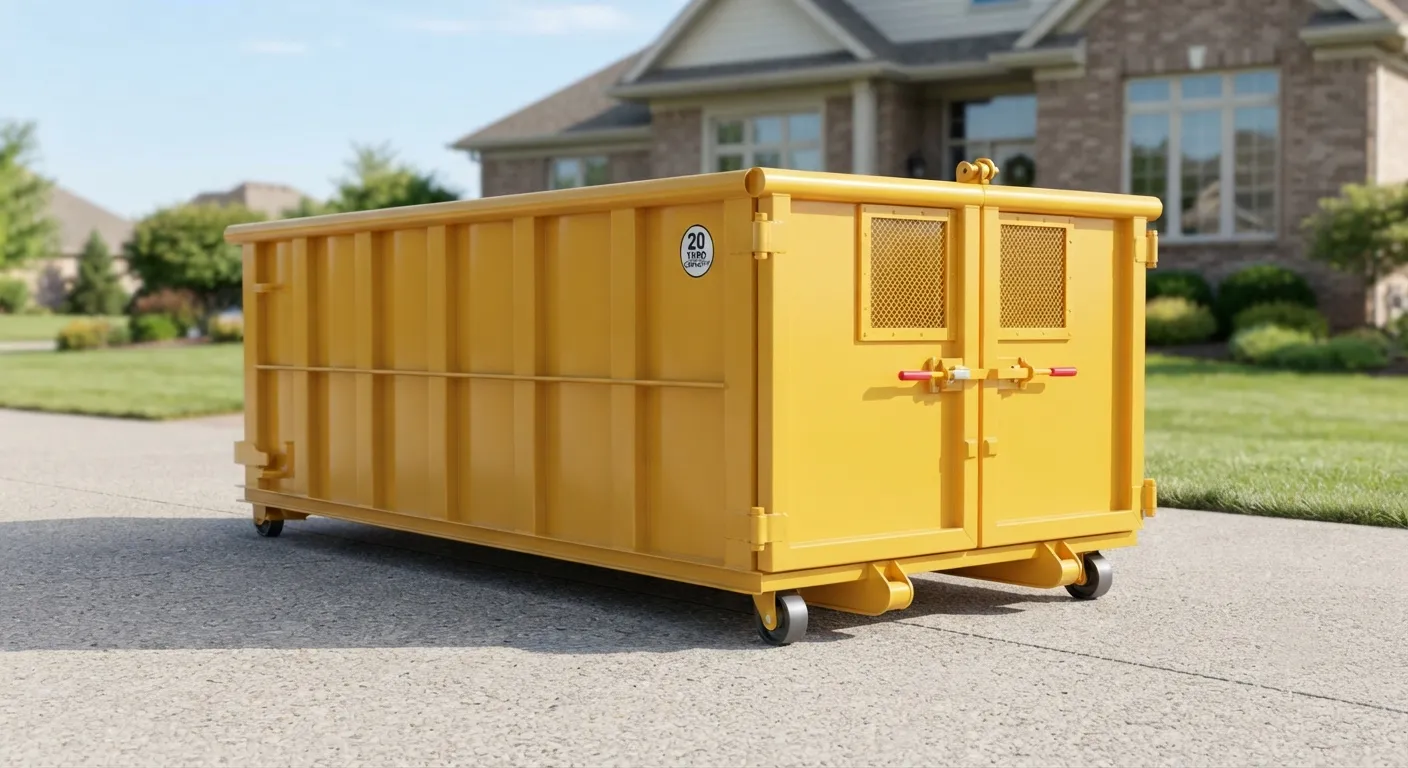
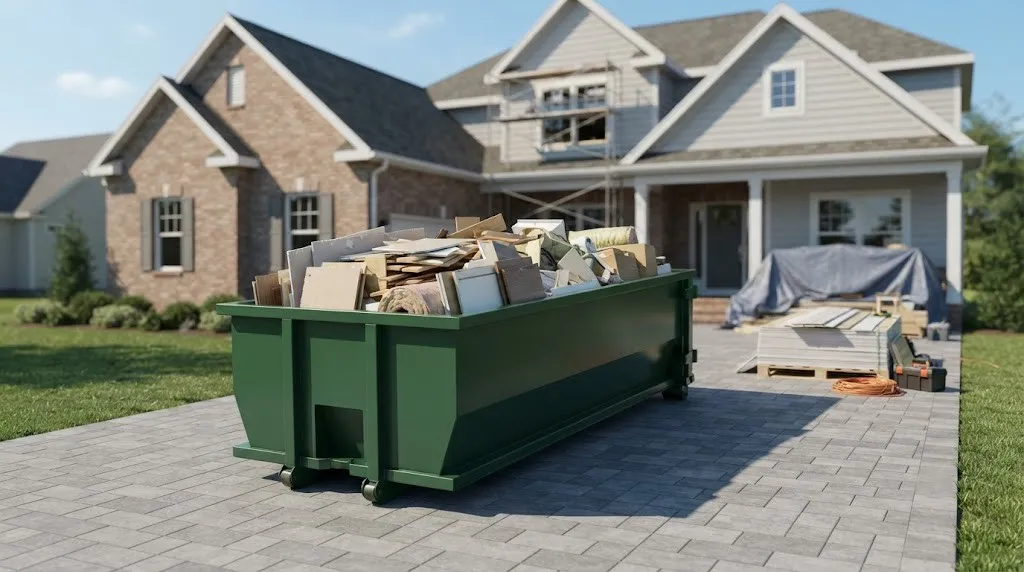
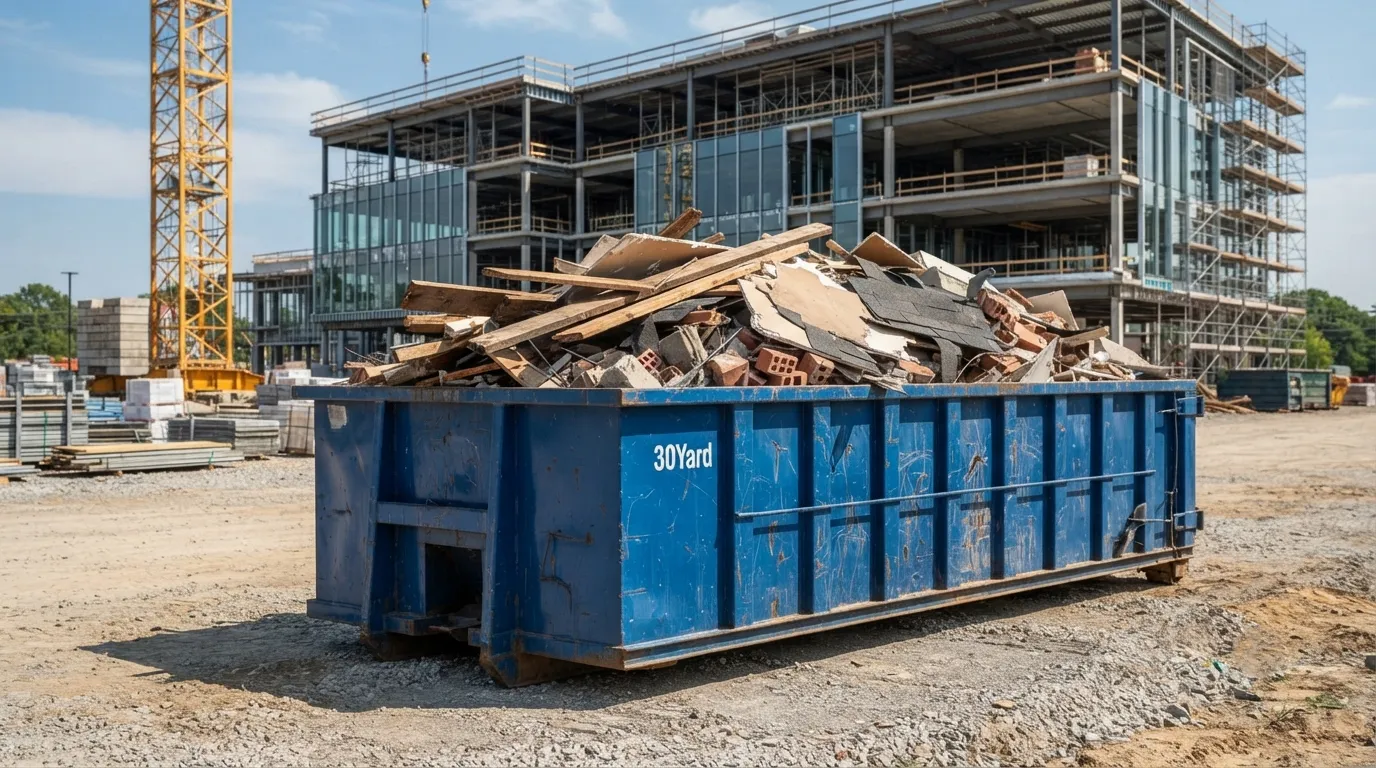
Because a flood or fire always leaves debris behind, and hauling it off site matters as much as keeping toilets running. A roll-off dumpster rental needs about 60 feet of straight clearance behind the delivery truck, which is worth checking before a driveway or alley gets blocked by debris piles in Alameda's older residential streets. For storm damage or fire cleanup, a 20 yard dumpster rental handles most single-property jobs, while a 30 yard dumpster rental suits a multi-unit building or a block-wide response. Check what cannot go in a dumpster before loading, since hazardous debris from a fire or flood often needs separate handling. If the site also needs secure storage for donated supplies or displaced belongings, a storage container rental or a 20ft storage container keeps equipment dry and locked between shifts. For sites needing to control access entirely, temporary fence rental keeps the public out of an unstable structure or an active cleanup zone, and a light tower rental extends work hours when crews are running past dark. Alameda's flat street grid actually makes staging easier than in hillier East Bay cities, since delivery trucks rarely need to navigate steep grades to reach a drop site.
Pricing for Emergency Deployment
| unit | duration | low | typical | high |
|---|---|---|---|---|
| standard | day | $100 | $150 | $350 |
| ada | day | $200 | $230 | $400 |
| dumpster | day | $51 | $75 | $112 |
| septic | day | $150 | $250 | $300 |
| delivery_fee | day | $100 | $150 | $500 |
Emergency response often runs day rate first, then converts to weekly once the timeline is clearer. See porta potty rental cost and porta potty rental per day for how those numbers scale past the first 24 hours.
Frequently asked questions
How fast can Alameda Porta Pros deliver during an active disaster?
Same-day delivery is the goal for active emergencies, though it depends on road access and how many units are needed. Call contact directly rather than submitting a standard quote form when time is critical, and mention it is disaster response.
Do disaster relief sites need ADA-compliant restrooms?
Yes. ADA Standards 213.2 requires at least one accessible unit in any cluster, and 5 percent of a larger cluster. Shelters and staging areas serving the public should treat this as a minimum, not an afterthought.
Can portable toilets handle septic system failures during flooding?
Yes, temporarily. A septic pumping service call fixes an overwhelmed tank, but portable units and holding tanks bridge the gap while pipes or drain fields are repaired. Ask which fits your timeline.
What happens to sanitation needs after the immediate emergency passes?
Once shelters wind down, rental typically shifts to weekly or monthly terms for ongoing rebuild work. See monthly porta potty rental for that transition and porta potty rental checklist for planning the handoff.
Does Alameda Porta Pros serve areas outside Alameda during regional disasters?
Yes. We cover Piedmont 10.6 miles north, Emeryville 12.4 miles north and Albany 16.0 miles north. Check service areas for the full coverage map during a regional event.
Next step
Get a delivery date
Tell us the address, the dates and the headcount. We size the order and confirm the route.